






Post-Conviction Justice Project students represent clients
- By Gilien Silsby
USC Law students in the Post-Conviction Justice Project recently won two victories following oral arguments before the California Court of Appeal, Second District.
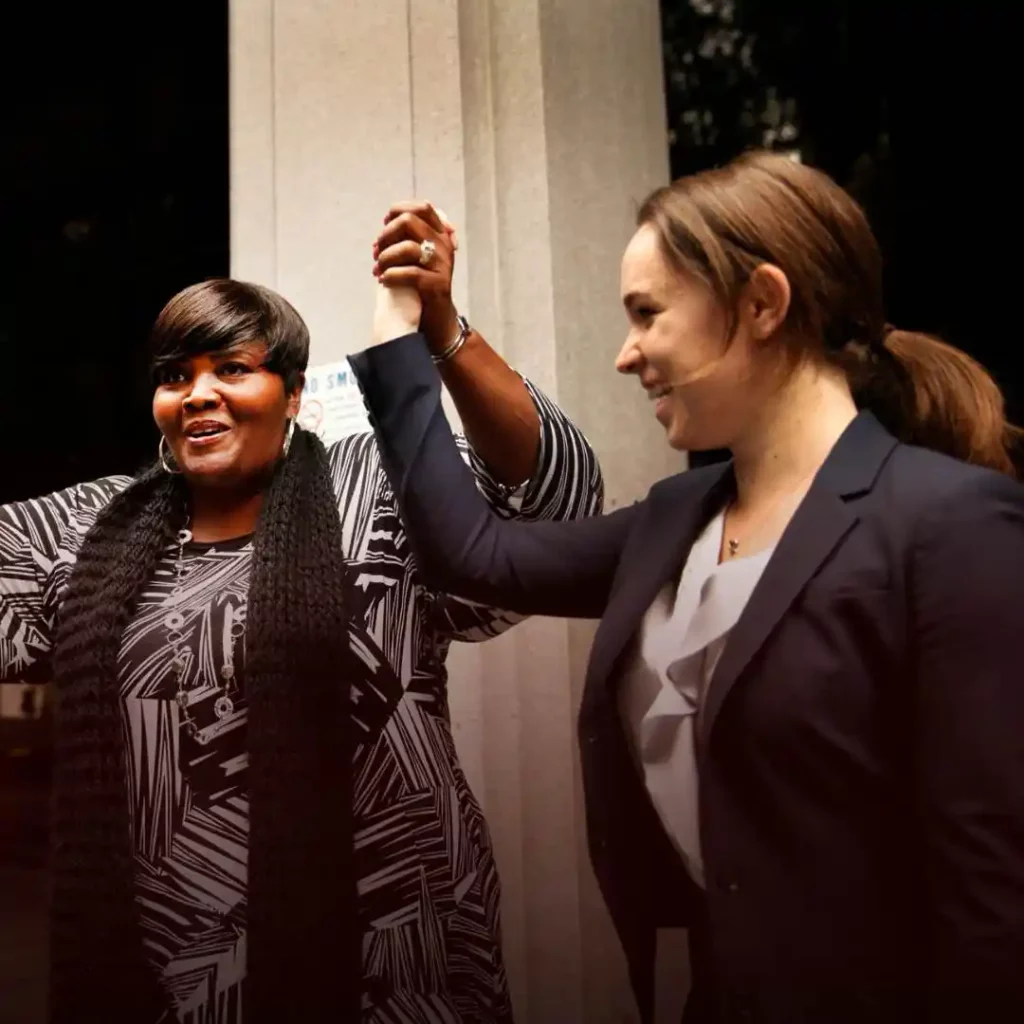
Zach Crowley, a second-year law student, appeared before the court in May on behalf of his client Tresia Henry, who was denied parole two years ago by then-Gov. Arnold Schwarzenegger after the Board of Parole Hearings recommended her release. The court affirmed the Superior Court’s decision granting her petition for release and holding that Schwarzenegger violated her due process rights by overturning the Board of Parole Hearing’s decision.
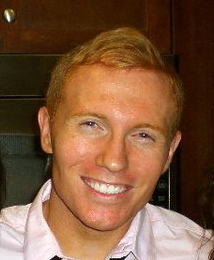 |
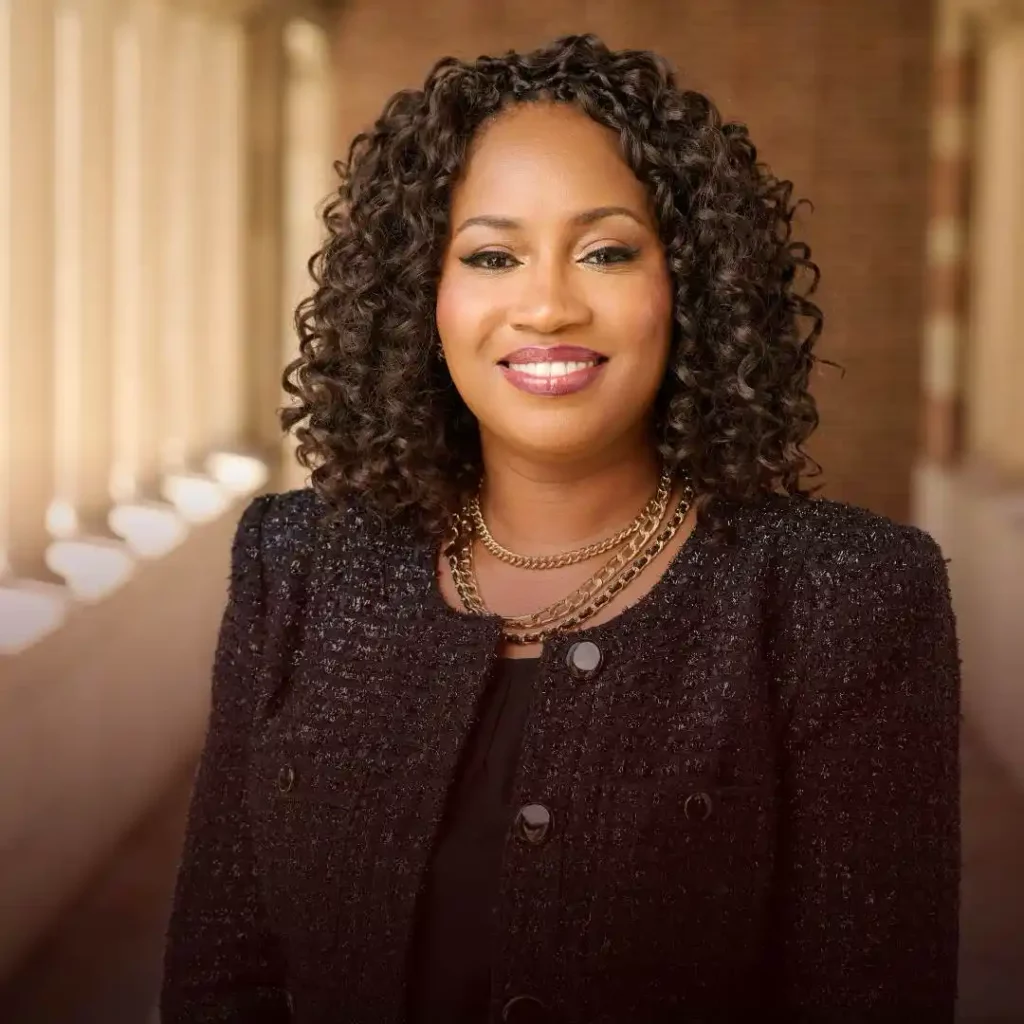
| Zach Crowley |
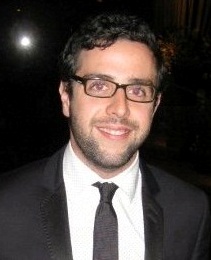
In a second case before the court, Max Castro, another second-year law student, represented Charmaine Petit, who was denied release by the Board of Parole. The court found no evidence that Petit was a danger to society and granted her a new hearing.
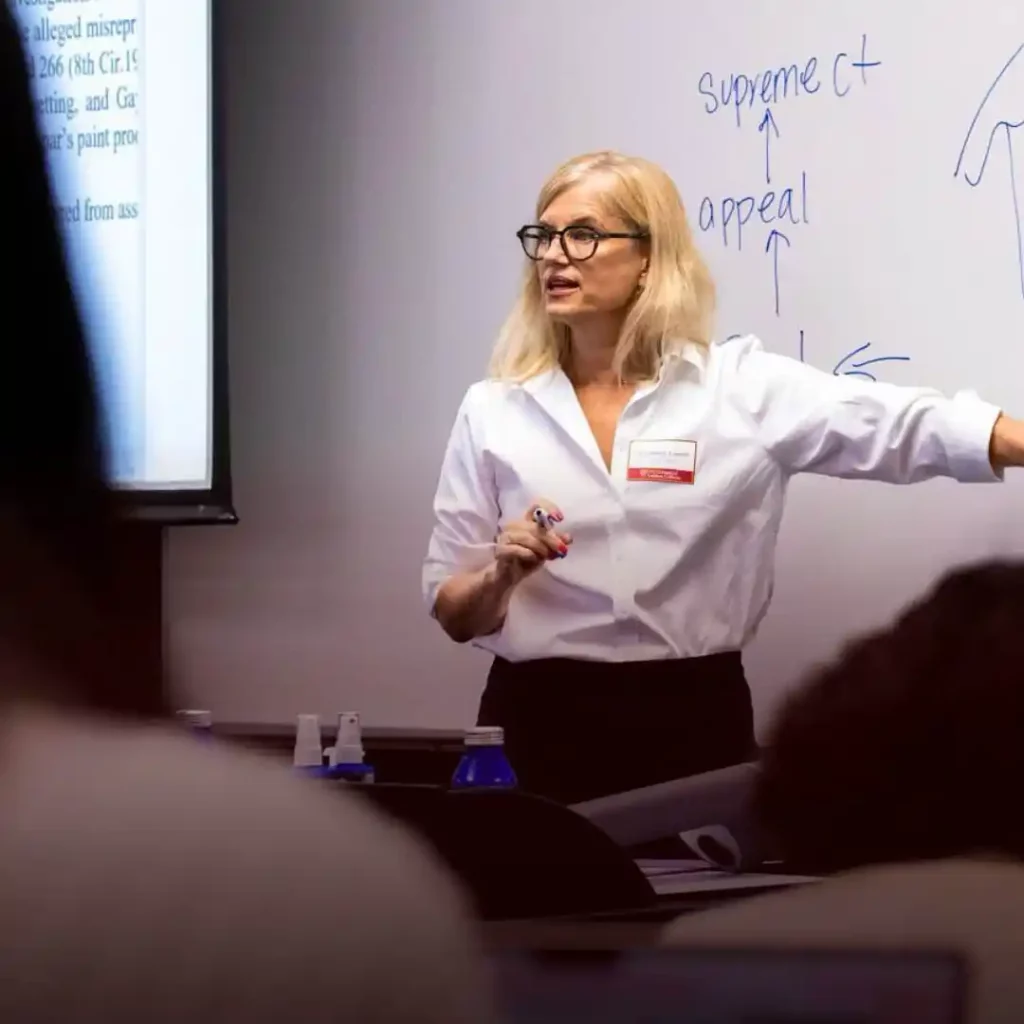
Arguing before the California Courts of Appeal is a rare opportunity for law students and a distinguished honor, said Heidi Rummel, co-director of the Post-Conviction Justice Project, who worked with Crowley and Castro on the preparation of their legal arguments.
“Zach and Max did an excellent job representing these two women,” Rummel said. “Their arguments were as professional and compelling as some of the very best appellate advocates - and they won important victories for their clients. I am so proud of them.”
Crowley and Castro are two of 16 students in the Post-Conviction Justice Project who, under the direction of professors Rummel and Michael Brennan, represent women convicted of first- and second-degree murder at parole hearings and in state court habeas proceedings. Many of the women have a long history of abuse.
Castro prepared for his day in court for weeks - rehearsing his argument in front of his girlfriend, his fellow clinic students, favorite law professors and even alone in his car.
“Arguing before the court was by far the single-best experience I have had in law school and one of the most exciting things that I have ever done in my life,” Castro said. “It made me realize that I wanted to spend as much of my career as possible in a courtroom, and it also made me feel so useful for Ms. Petit. I feel so lucky that the Post-Conviction Justice Project gave me the opportunity to do it.”
Crowley said he believes his experience will help him reach his goal of becoming a skilled litigator.
| Max Castro |
“It was a phenomenal experience and one that I'm sure I will remember for the rest of my life,” he said. “Getting to stand up and argue in front of justices from the California Court of Appeal is the kind of thing you would just never get to do as a young lawyer.
“I am working at a firm this summer, and a few weeks ago, I asked a fourth-year associate how often he had the opportunity to make arguments on appeal,” he said. “He explained that associates never get to do that sort of thing - it's reserved almost exclusively for partners. I will always look back on this and feel grateful that I had this opportunity. Tresia absolutely deserves her freedom and getting to be a part of that process was truly a gift.”
In a twist of fate, one of the justices on the California Court of Appeal panel in Castro’s case - Justice Jeffrey Johnson - also served as a judge at his Moot Court semifinal round at USC Gould a few months later. After the Moot Court presentations, Johnson offered Castro a summer externship. Johnson has become a mentor to Castro and will preside at his upcoming wedding.
“Working for Justice Johnson is not only a tremendous honor, but it is also, and most importantly, an extraordinary opportunity to learn from one of California's most brilliant legal minds,” Castro said.
Since 1994, more than 400 USC Gould students have worked with hundreds of clients on matters such as consultation and representation at parole hearings, as well as state and federal lawsuits challenging denials of constitutional rights. To date, 35 women have been freed from prison, thanks to the work of students and their professors at USC.



 Previous Article