











In a new book, Professor Ed McCaffery and others explore the psychology of the U.S. tax and spending system
Adam Smith’s “invisible hand” doesn't always work, Professor Ed McCaffery says.
The well-known economic principle that working toward one’s self-interest also benefits the public interest leaves much to be desired where government tax-spending programs are concerned, according to McCaffery. He addressed on tax day, April 17, a small group that gathered to learn about his new book, Behavioral Public Finance (Russell Sage, 2006).
 “In private markets, self-interest and greed make the thing work,” McCaffery said, “but in public finance, you don’t have that.”
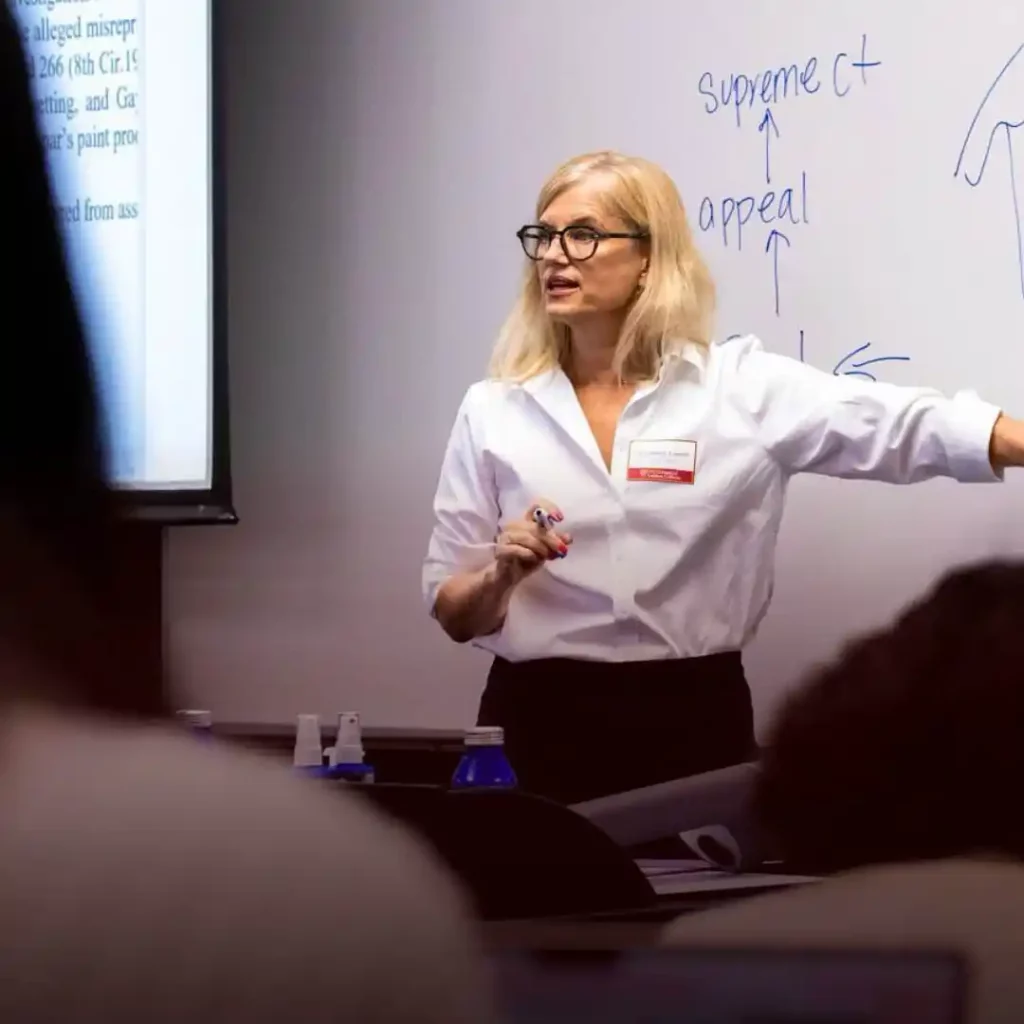
McCaffery (pictured left), the Robert C. Packard Trustee Chair in Law and Political Science at USC Law, co-edited Behavioral Public Finance with Joel Slemrod, director of the University of Michigan Business School’s Office of Tax Policy Research.
The volume applies the principles of behavioral economics to the government's role in constructing economic and social policies. In doing so, the collection of essays questions the basic underpinnings of economic theory and suggests that some of the government’s economic and social programs — crafted with rational participants in mind — may need an overhaul.
“The idea is that people just don’t get it; they just don’t understand some basic things,” McCaffery said. “The point of the book is looking at: What are the problems? What is the extent of the problems?
"We’re leaving money on the table that could clothe people, provide education, because psychologically, we can’t understand and accept better-designed, more efficient government tax-spending programs.”
 Bringing together multiple disciplines to look at the problem is the first step in addressing it, McCaffery says. Then again, it is unlikely the public soon will recognize “sub-optimal” economic policies because politicians don’t have an incentive to educate them.
“I think it’s a whole new generation that will come up with solutions,” McCaffery said.


 Previous Article