Prof. Emily Ryo is a co-author on new American Immigration Council Report
By Leslie Ridgeway
USC Gould School of Law Prof. Emily Ryo is a co-author of a recently released American Immigration Council (AIC) report on immigration enforcement that indicates a shift by the U.S. government toward a wider scope of arrests and deportations that go beyond government rhetoric about removing dangerous non-citizen criminals.

|
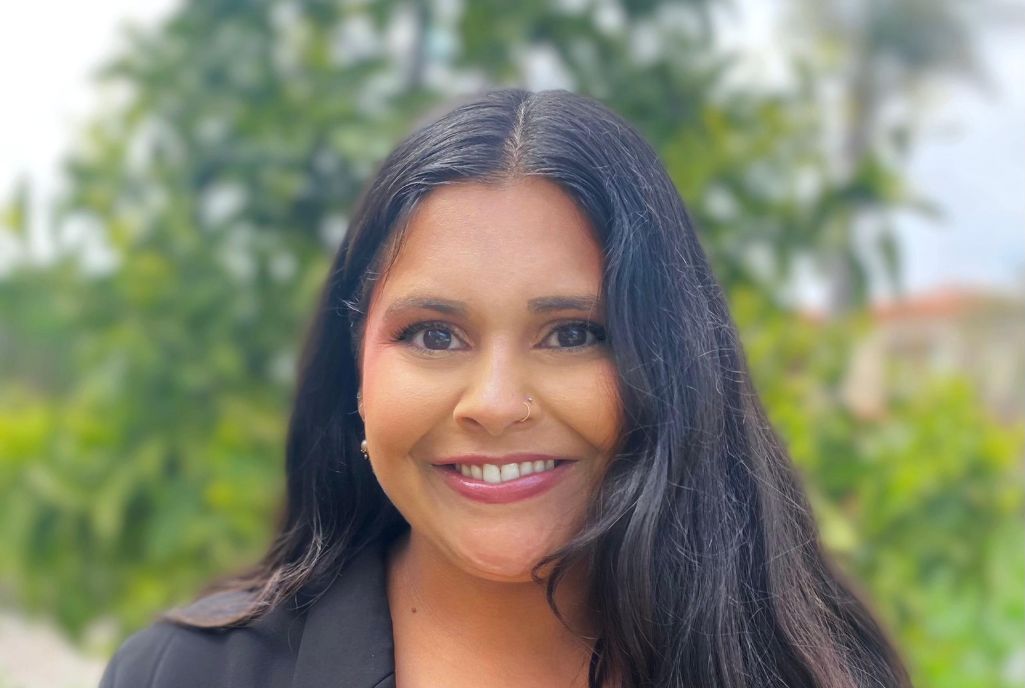
| Prof. Emily Ryo |
The study, “Changing Patterns of Interior Immigration Enforcement in the United States, 2016-2018,” reveals a sharp increase in the number of U.S. citizens encountered by U.S. Immigration and Customs Enforcement (ICE) across the Trump and Obama administrations. The research found that in the first year of the Trump administration, ICE encountered 27,540 U.S. citizens, whereas in the last year of the Obama administration, ICE encountered 5,940 U.S. citizens.
“I was surprised by the number of U.S. citizens encountered by ICE during the first part of the Trump administration,” said Ryo, whose research is also supported by the Carnegie Foundation. “It’s alarming given that citizenship is supposed to be the ultimate protection against immigration enforcement. Our finding suggests that U.S. citizens who might ‘look’ undocumented have become increasingly vulnerable under the current enforcement strategy.”
Impact to Women and Families
The research also indicates that a higher proportion of those encountered or arrested were women during the first part of the Trump administration compared to the last part of the Obama administration. Women are more likely to be swept up by ICE in “collateral arrests” — arrests of individuals who happen to be in the same location as individuals directly targeted by ICE, according to Ryo. The increase in the proportion of women encountered and arrested by ICE is concerning because they are more likely to be mothers and primary caregivers for children, and that means the potential disruption to family dynamics is high, she pointed out.
The researchers parsed immigration enforcement outcomes data obtained through a Freedom of Information Act (FOIA) request from ICE covering the end of the Obama administration to 2018, the first two years of the Trump administration. Study authors include Ryo, Guillermo Cantor, director of research at the American Immigration Council, and Reed Humphrey, a research fellow at the USC Immigrants and Global Migration Initiative, which is housed at the Gould School of Law. The researchers studied records of more than 1 million encounters, more than 380,000 arrests and close to 651,000 removals taking place between January 2016 and September 2018.
Who Is Being Deported?
Another surprising finding from the report is the continuity between the Obama and Trump administrations in terms of the proportion of people deported who had no criminal history. The study found that across the two administrations, more than 85 percent of people removed from the country had no criminal convictions, or only nonviolent or non-serious convictions.
“It illustrates that there are certain structures in place in our enforcement apparatus that carry over from one administration to the other,” Ryo said. “And it highlights what is generally not well known—that the Obama administration was also deporting many people who had no criminal history or only nonviolent convictions.”
What’s Next?
Underlying the research findings are the economic realities for ICE, which faces resource limitations, and the consequences of eliminating enforcement priorities and prosecutorial discretion, which Ryo said add confusion to an already chaotic, inefficient and increasingly inhumane system.
Behind every number and every statistic is a person who is a family member and a community member,” she said. “The government has yet to fully appreciate the costs of indiscriminate enforcement action that result in broad social and economic harms to American communities.”
The researchers will turn their attention next to Customs and Border Patrol data obtained as part of the initial FOIA request, focusing on changes in border enforcement policy and actions. Litigation is ongoing to obtain more comprehensive data that will enable the researchers to expand their analysis.













.jpg)
 Previous Article