






Content start here
News

Rapper Common and PCJP lobby for criminal justice reform

PCJP currently represents dozens of youth offenders, serving adult life sentences

January 21, 2018 By USC Gould School of Law
post image
PCJP currently represents dozens of youth offenders, serving adult life sentences
By: Gilien Silsby
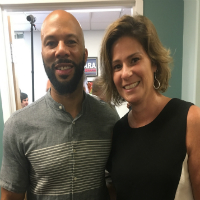
Common and Heidi Rummel
USC Post-Conviction Justice Project Director Heidi Rummel joined the rapper Common to help shine a light on criminal justice bills – including  SB 394 which USC law students helped draft and promote.
They met with state lawmakers in Sacramento in conjunction with the Imagine Justice concert on the Capitol mall grounds featuring Common, J.Cole, Goapele and Los Rakas.
“It was powerful,” said Rummel. “To see so many people come together to support a different vision of justice and send a message of hope.”
USC’s PCJP currently represents dozens of youth offenders, serving adult life sentences, and seeking release under criminal reforms passed in the past several years.
Related Stories

Who owns art in the AI age?
Professor Jeff Schneider addresses Copyforward attendees in front of a presentation that reads

Who owns art in the AI age?

In collaboration with Mozilla Foundation, USC Cinematic Arts and Annenberg, USC Gould's Center for Sports, Entertainment, Media & Technology Law convenes artists, legal experts and tech lead

Read More of Who owns art in the AI age?
Academic Success Program collaborates for student success

Academic Success Program collaborates for student success

Director and Professor Sara Berman along with Associate Director and Professor Barrett Schreiner take comprehensive approach from "admission to admission" — admission to law school to admission to the

Read More of Academic Success Program collaborates for student success
Beyond translation: Expanding Spanish-language parole advocacy

Beyond translation: Expanding Spanish-language parole advocacy

Post-Conviction Justice Project gives law student a new perspective on importance of bridging language, cultural barriers while working with clients

Read More of Beyond translation: Expanding Spanish-language parole advocacy